
Salt damp
What is salt damp?
Salt damp is two problems working together: rising damp and salt attack. Left alone, they damage masonry buildings over time.
Rising damp
Moisture moves up from the ground into the walls. Brick and stone draw it in through tiny pores by capillary action, the way plants draw water from the soil.
Salt attack
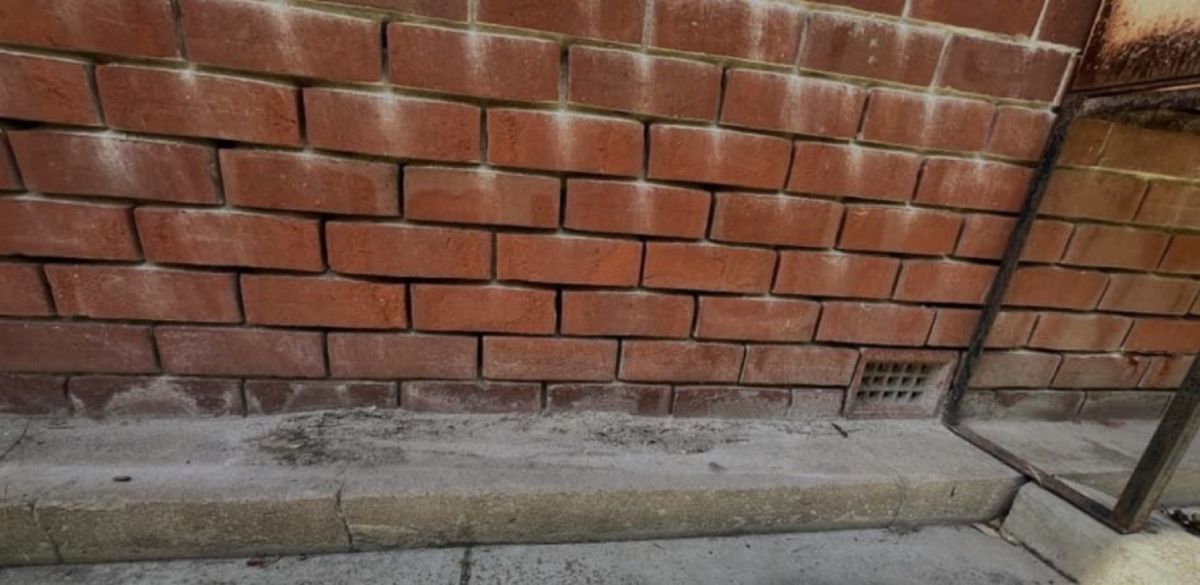
The rising moisture carries soluble salts into the wall. When it evaporates, the salts crystallise and grow, breaking down the masonry from within.
Why here
Why it is so common in South Australia
South Australian soil has a very high salt content, and many older homes have no adequate damp-proof course to stop moisture rising. Periods of rain and high humidity make the problem worse.
Signs
Signs to look for
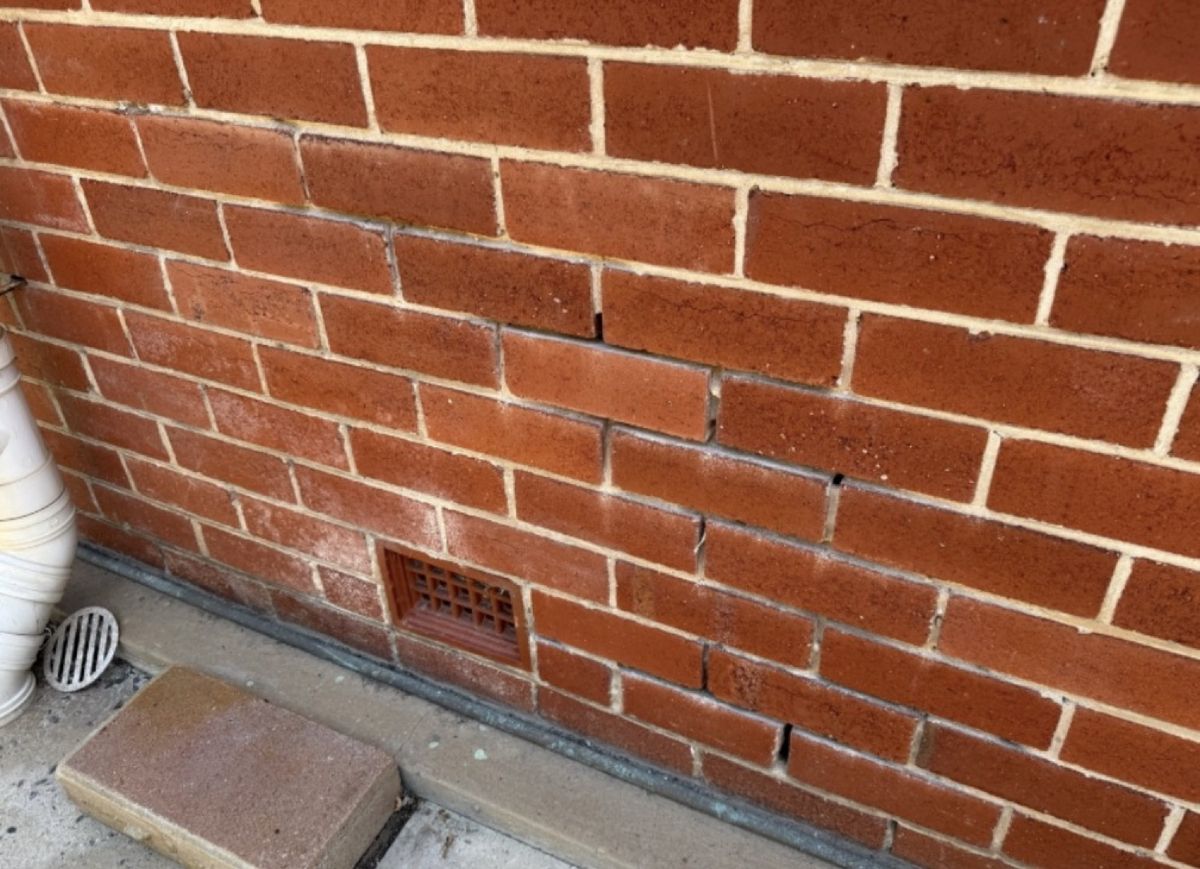
- Fretting or crumbling mortar joints
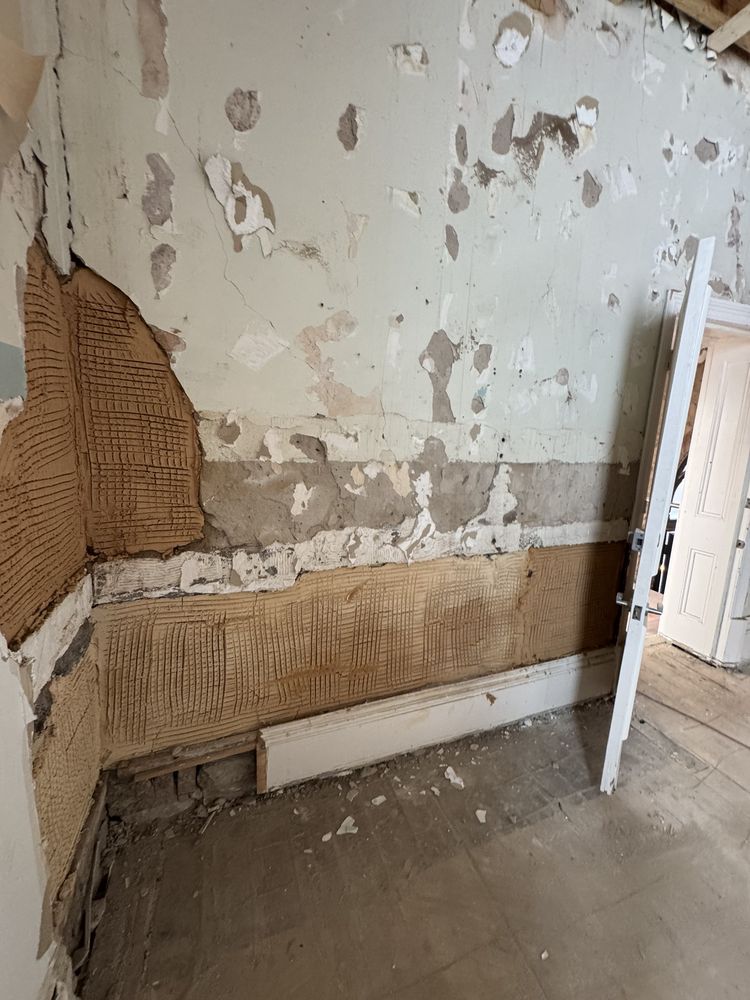
- Bubbling or peeling paint and plaster near the bottom of walls
- Tide marks or damp patches close to the ground
- White salt deposits on the wall surface
- A musty smell in affected rooms
- Decaying brick or stone in more severe cases
No visible salt does not always mean no salt damp. Rain can wash surface salts away and hide the problem.
Why it matters
What salt damp does to a home
As the salt crystals keep growing, they weaken the structural integrity of the masonry. Inside, plaster and paint break down along the lower part of the walls.
The sooner the cause is found, the less there is to repair.
Contact us today for a free no-obligation quote
Call our office or send us a message.